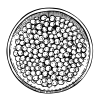
How aquaculture is changing caviar
Aquaculture has changed where caviar comes from and how sturgeon are raised. Instead of relying on wild fish, farms can manage sturgeon over many years while monitoring water conditions, feeding, growth, health, and roe development.
The change reaches beyond the farm. Caviar is now produced in more countries, buyers have access to a wider range of species and hybrids, and producers can keep closer records of where the roe comes from. Farm-raised caviar has become the main source of caviar in the modern market.
Why aquaculture matters to modern caviar
Sturgeon take years to mature, which makes caviar production a long process even under farm conditions. Aquaculture gives producers more control during those years. Farmers can follow the development of the fish and prepare for roe production without depending on the uncertain supply of mature wild sturgeon.
Farming has also allowed caviar production to spread beyond the regions historically known for wild sturgeon. Today, suitable farms can raise sturgeon in different parts of Europe, Asia, North America, and elsewhere.
For buyers, this means the species name is only part of the story. The farm, country of origin, handling, curing, and storage can all affect what eventually reaches the table.
More control over caviar production
Aquaculture allows farmers to monitor conditions throughout the life of the sturgeon. Water quality, oxygen, temperature, feed, and fish health can be managed as the fish develops.
This can make production easier to plan and help producers maintain greater consistency between batches. Natural differences still remain. Pearl size, color, firmness, and flavor can vary from one fish or harvest to another.
The final quality also depends on what happens after the roe is collected. Careful grading, curing, packing, refrigeration, and storage all influence the caviar inside the tin.
More variety for caviar buyers
Sturgeon farms can raise several species, along with carefully managed hybrids. This has given buyers more choices beyond the caviar traditionally associated with a small number of regions.
Different farmed caviars may have smaller or larger pearls, firmer textures, lighter or darker colors, and flavors ranging from mild and creamy to mineral or noticeably briny. Even caviar from the same species can taste different when it comes from different farms.
Aquaculture has also made origin and traceability more useful when comparing tins. Looking at the species, producer, country of origin, and product information gives buyers a clearer picture of the caviar they are choosing.
CAVIAR AQUACULTURE GUIDE
The changing world of Farmed Caviar
Aquaculture has changed the way caviar reaches the table. Sturgeon that once depended on wild fisheries can now be raised on farms where their growth, feeding, water conditions, and roe development are followed over many years.
Farmed production has also spread caviar beyond its historic regions. Producers in different parts of the world now raise several sturgeon species and hybrids, giving buyers more choice while reducing the industry’s dependence on wild fish.
The eight changes below show what aquaculture has brought to modern caviar, from the way sturgeon are raised to the information buyers can find on the finished tin.
Sturgeon can be raised from an early age
Follow the fish throughout its growth
Aquaculture allows farms to care for sturgeon through the long period before females produce mature roe. Farmers can monitor growth and general fish health as the sturgeon develops. This gives producers a clearer picture of the fish before harvest. Because sturgeon may take many years to mature, keeping track of development is an important part of planning caviar production.Water conditions can be managed
Keep the growing environment stable
Farmers can monitor water quality, oxygen, and temperature instead of leaving these conditions entirely to changes in the natural environment. Different farms use different systems. Some reuse treated water through recirculating systems, while others work with flow-through setups suited to their location. The way each system is managed can affect both the fish and the farm's use of resources.Feeding becomes part of farm management
Support steady sturgeon development
Farmed sturgeon receive managed diets throughout their development. Feeding can be adjusted as the fish grows, giving farmers another part of the production cycle they can observe closely. Diet is also one of several factors that may affect the finished roe. Species, age, water conditions, maturity, curing, and storage can all contribute to the character of a particular caviar.Production is easier to plan
Manage the long wait for mature roe
Caviar farming still takes patience. Aquaculture does not shorten the natural maturation of sturgeon, and producers may wait years before a female is ready to produce suitable roe. What changes is the ability to plan around that wait. Farms can maintain sturgeon at different stages of development and follow each group as it approaches maturity.More sturgeon varieties reach buyers
Explore species and hybrid caviar
Modern farms raise several species of sturgeon, along with carefully managed hybrids. Buyers can now find Siberian sturgeon, white sturgeon, Kaluga-related selections, hybrid caviars, and other farm-raised choices. The differences can be noticeable on the plate. Pearl size, firmness, color, salinity, creaminess, and finish vary between products, giving buyers more room to explore caviar by taste.Caviar can come from more regions
Look beyond traditional origins
Caviar production is no longer concentrated around the Caspian and Black Sea regions. Sturgeon farming has allowed producers in Europe, Asia, North America, and other areas to enter the caviar market. Origin still matters, although buyers now have more information to consider. The species, farm, country of origin, curing, handling, and storage can tell you more about a tin than geography alone.Traceability becomes easier to follow
Learn more about the caviar in the tin
A managed farm can keep records covering the sturgeon species, breeding stock, production batches, processing, and movement through the supply chain. For buyers, labels can provide useful clues about where a caviar came from. Species information, country of origin, producer details, storage guidance, and applicable CITES labeling can all help identify the product more clearly.Wild sturgeon face less commercial pressure
Reduce reliance on wild harvests
Farm-raised caviar gives producers another source of roe without depending on commercial harvests of wild sturgeon. This matters because wild populations have faced pressure from overfishing, poaching, pollution, and changes to their habitats. Farming has its own environmental demands, including water, feed, energy, and waste management. For that reason, the practices of the individual farm still matter when considering how caviar is produced.What farmed caviar tells us about its origin
Aquaculture has made the origin of caviar easier to follow. On a managed farm, producers can keep records on the sturgeon species, growing conditions, and production batches before the roe is processed and packed.
This gives buyers more context when looking at a tin. A familiar species may now be raised far from the waters where that caviar was historically produced, so the country, farm, and producer have become useful parts of understanding where modern caviar comes from.
Reading a modern caviar label
A caviar label can tell you more than the product name. Look for the sturgeon species, country of origin, producer or packer, storage information, and CITES labeling where it applies.
Hybrid caviar deserves a closer look as well. Knowing which species were crossed can give the buyer more information than the word “hybrid” by itself. The finished taste and texture will still depend on the individual caviar and the way it was raised and processed.

Changes to caviar production
Aquaculture gives producers a much closer view of the sturgeon throughout its life. Growth, feeding, water conditions, and roe development can be followed over several years, which helps farms plan around the long time it takes for female sturgeon to mature.
This also changes how producers approach harvest timing. Roe can be checked as the fish develops, giving the farm more information about maturity before processing begins.
The result is a production system with more oversight from the early stages of raising the fish through to the finished caviar.
More predictable supply
Wild caviar production depended on the availability of mature sturgeon in natural waters. Weather, migration, fishing conditions, population levels, and regulations could all affect supply.
Aquaculture makes production easier to plan. Farms can raise different generations of sturgeon at the same time and follow their progress toward maturity.
Caviar still takes years to produce, but farmers have a clearer idea of which fish are approaching the stage when their roe may be ready.
Changes to the caviar market
Sturgeon farming has opened caviar production to countries far beyond its traditional regions. A species once strongly associated with a particular sea or river system may now be raised by farms in another part of the world.
This has given buyers a broader selection of caviar. Alongside familiar species, the market now includes farm-raised white sturgeon, Siberian sturgeon, Kaluga-related selections, and hybrids.
With more producers raising similar species, the farm itself becomes useful information when comparing products.
More choice at different price points
A wider range of producers and farmed varieties means caviar buyers can choose between different pearl sizes, textures, colors, and flavor profiles.
Some caviar may be mild and creamy, while another has firmer pearls or a stronger briny character. These differences give buyers more room to choose according to taste and occasion.
Price can vary as well. Species, maturation time, grading, roe quality, producer, and processing all contribute to what a tin eventually costs.
Environmental questions around caviar farming
Aquaculture has reduced the caviar industry’s dependence on wild sturgeon, but raising fish on farms brings a different set of environmental concerns. Sturgeon need water, feed, energy, and suitable space throughout the many years they may spend growing before producing mature roe.
Water management is one area where farms can differ considerably. Some facilities use systems that treat and reuse water, while others depend on a steady flow of fresh water through the farm. Waste from uneaten feed and fish also has to be managed so it does not build up or affect surrounding water.
The location and design of a farm matter as well. A system that works well in one region may make little sense somewhere else because water supply, climate, energy use, and local conditions can be different.
For this reason, the term “farmed caviar” tells you where the sturgeon was raised, but it does not tell you everything about the environmental impact of the finished product.
Looking beyond the farmed label
The individual producer still matters
When comparing farmed caviar, it helps to look for information about the producer and the way the sturgeon are raised. Water use, waste treatment, feed, stocking conditions, and fish health can give more context about the farming operation.
Traceability can make this easier. Farms that keep clear production records can provide more information about the species, origin, and path the caviar took before reaching the buyer.
Aquaculture has given caviar producers a way to supply roe with less reliance on wild harvests. How responsibly that caviar is produced still depends on the practices used at each farm.

Frequently asked questions about caviar aquaculture
Caviar farming has changed where sturgeon are raised, how producers manage the fish, and the range of caviar available to buyers. It has also reduced the industry’s reliance on wild sturgeon while giving farms more control over the years leading up to roe production.
The questions below cover some of the practical points people often have about farmed caviar, including quality, taste, sustainability, origin, production, and what to look for when buying.
Is most caviar today produced through aquaculture?
Farm-raised caviar makes up the great majority of the legal commercial market today. Sturgeon farming allows producers to raise fish specifically for caviar instead of relying on wild populations.
Why did caviar production move toward aquaculture?
Wild sturgeon populations declined under pressure from overfishing, illegal harvesting, pollution, and habitat changes. Aquaculture gave producers another source of caviar while reducing commercial dependence on wild sturgeon.
Does farmed caviar taste different from wild caviar?
Taste depends on more than whether a sturgeon was farmed. Species, diet, water conditions, roe maturity, curing, salt level, processing, and storage can all affect the flavor and texture of the finished caviar.
Is farmed caviar lower quality?
Farmed caviar can be very good when the sturgeon is raised carefully and the roe is harvested, graded, cured, and stored properly. Quality is better judged by the individual product than by the farmed label alone.
Does aquaculture make caviar more affordable?
Aquaculture has created a wider range of caviar at different price points. Price still depends on factors such as the sturgeon species, how long the fish takes to mature, roe quality, grading, and the producer.
Is caviar aquaculture sustainable?
Aquaculture reduces reliance on wild sturgeon, but farms still use water, feed, energy, and other resources. Environmental impact varies according to the farm and how it manages water, waste, stocking conditions, and production.
Why can the same sturgeon species taste different between farms?
Growing conditions vary from one farm to another. Water, diet, fish maturity, handling, curing, and storage can influence the finished roe, so two caviars from the same species may still taste noticeably different.
How has aquaculture changed where caviar comes from?
Caviar is now produced far beyond its historic regions around the Caspian and Black Seas. Sturgeon farms in Europe, Asia, North America, and other regions have made modern caviar production much more international.
What should buyers check when choosing farmed caviar?
Start with the species and country of origin, then look at the producer or packer and storage information. Clear labeling and traceability make it easier to understand what is inside the tin and where it came from.
Understanding the New Era of Farmed Caviar
Aquaculture has changed caviar from a product that once depended heavily on wild sturgeon into one that can be produced through managed farming. Farmers can follow sturgeon through years of growth, paying attention to water conditions, feeding, health, and roe development before the fish reaches maturity.
The change has also brought caviar production to more parts of the world and given buyers a wider choice of species and farm-raised varieties. Explore our other caviar guides to learn more about caviar varieties, caviar quality, choosing farmed caviar, and understanding the caviar production process.
Explore our additional caviar guides to learn more about how to open a caviar tin correctly, how to serve caviar, choosing proper utensils, and presenting premium caviar at its best.