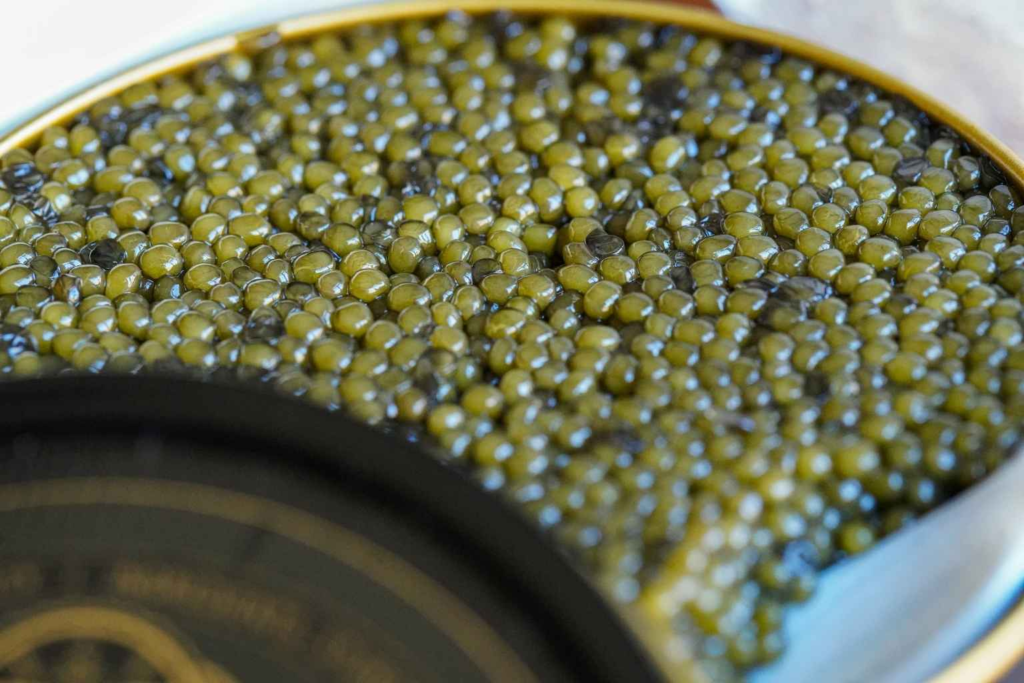
What Is gray mullet roe?
Gray mullet roe is the egg mass of female gray mullet. It can be eaten fresh or cured, but it is especially well known as the main ingredient in bottarga, where the whole roe sac is salted and dried.
Understanding gray mullet roe
Gray mullet roe is fish roe, not true sturgeon caviar. It is sold in several forms, and each preparation has a different texture and strength of flavor.
Fresh roe is soft and relatively delicate. Salting and drying remove moisture, making the roe firmer while concentrating its salty, savory marine taste.
You may find gray mullet roe as:
- Fresh roe
- Salt-cured roe
- Whole dried roe sacs
- Bottarga for slicing or grating
The preparation matters when deciding how to store and use the roe.
Why gray mullet roe is closely associated with bottarga
Bottarga is made by curing the intact roe sac with salt and drying it until firm. The finished roe can then be cut into thin slices or grated directly over food.
Its concentrated flavor means a small amount can go a long way. Bottarga is often used as a finishing ingredient for simple pasta, eggs, vegetables, bread, and seafood, where its salty marine character remains easy to taste.
Flavor Profile of gray mullet roe
Gray mullet roe has a noticeable salty and marine taste. Its character changes depending on how it is prepared, with dried bottarga tasting much more concentrated than fresh roe.
Salty and savory tasting notes
Fresh gray mullet roe is softer in both flavor and texture. Once the roe is salted and dried, moisture decreases and the taste becomes stronger.
You may notice:
- Clear salinity
- Savory seafood flavors
- A marine finish
- A stronger taste in dried bottarga
Because bottarga has such a concentrated flavor, a small amount is usually enough when it is added to food.
How curing changes the texture
Fresh gray mullet roe is soft and moist. During curing, the roe sac loses moisture and becomes progressively firmer until it can be sliced or grated.
This texture is very different from sturgeon caviar. Instead of separate pearls that burst in the mouth, cured gray mullet roe has the dense texture of bottarga. Thin slices give a firmer bite, while grated bottarga spreads its flavor more evenly across a dish.

Why gray mullet roe is often cured
Fresh gray mullet roe is perishable. Salting and drying preserve the roe while turning it into the firm, concentrated product known as bottarga.
Keeping the roe sac whole
For bottarga, the roe sac is generally cured intact. It needs careful handling so the membrane stays together during salting and drying.
What salt does to the roe
Salt draws moisture from the roe. As moisture decreases, the texture becomes denser and the natural seafood flavor grows more concentrated.
What happens during drying
Drying firms the roe further until it can be sliced or grated. The finished bottarga has a dense texture and a much stronger taste than fresh gray mullet roe.
How to serve gray mullet roe
Cured gray mullet roe has plenty of flavor, so a small amount is usually enough for one dish.
Ways to serve bottarga
Bottarga can be sliced thinly for a firmer bite or grated so its flavor spreads more evenly through the food.
Try it with:
- Simple pasta
- Bread or toast
- Eggs or potatoes
- Mild seafood dishes
Start with a small amount. You can always grate or slice more onto the dish after tasting it.
Foods that work with gray mullet roe
Simple foods are a good match for the salty marine character of bottarga. Pasta, bread, potatoes, eggs, and mild vegetables give the cured roe space to come through without adding too many competing flavors.
It also works as a finishing ingredient for seafood. A little grated bottarga added near serving time brings concentrated roe flavor without changing the main preparation of the dish.
Gray mullet roe in different food traditions
Gray mullet roe has a long history as a cured seafood ingredient. Salting and drying make the roe easier to preserve while giving it a firm texture and concentrated marine taste.
Bottarga in Mediterranean cooking
Across parts of the Mediterranean, cured mullet roe is commonly prepared as bottarga. The roe sac is salted and dried whole, then sliced or grated depending on the dish.
You may find it:
- Grated over simple pasta
- Cut into thin slices
The flavor is concentrated, so a little bottarga can season an entire serving.
Cured mullet roe beyond the Mediterranean
Versions of salted and dried mullet roe are also found in North African and East Asian food traditions. The preparation differs from place to place, including how long the roe is cured and how it is served.

Frequently asked questions about gray mullet roe
Gray mullet roe comes in several forms, from fresh roe to salted and dried bottarga. The way it is prepared changes its texture, flavor, storage, and how you use it in food.
Is gray mullet roe considered caviar?
Gray mullet roe is fish roe, but it is not true caviar in the traditional sense because true caviar comes from sturgeon. Gray mullet roe is better known in its salted and dried form as bottarga.
People discussing bottarga online commonly describe it simply as cured or dried mullet roe. In one Reddit pasta discussion, a commenter described bottarga as a salted and dried mullet roe sac that is grated over food.
What is the difference between gray mullet roe and bottarga?
Gray mullet roe refers to the eggs themselves. Bottarga is a preparation made by salting and drying the roe sac until it becomes firm enough to slice or grate.
The distinction also appears in cooking forums. Reddit users familiar with Sardinian bottarga describe buying the whole cured piece and either slicing it thinly or grating it over pasta.
What does gray mullet roe taste like?
Once cured as bottarga, gray mullet roe has a concentrated salty, savory, and marine flavor. Individual impressions vary. One Reddit user described it as having an “ocean/umami” character, while another discussion notes that its strong taste can easily overpower other ingredients if too much is used.
The flavor also depends on the cure and how the bottarga is served, so different products will not taste exactly the same.
Can gray mullet roe be eaten fresh?
Gray mullet roe can be used fresh, but fresh roe and bottarga should be treated as different products. Bottarga has already gone through salting and drying, which changes both its texture and flavor.
Home-curing discussions show people salting fresh roe sacs to make bottarga, but they also illustrate why curing fish roe at home requires care. One Reddit thread included a user reporting illness after attempting to cure another type of fish roe. For fresh gray mullet roe, use a trusted recipe and proper food-safety guidance rather than relying on informal forum instructions.
How do you serve cured gray mullet roe?
Grating bottarga over pasta is one of the most frequently recommended methods in cooking forums. Sardinian contributors also describe slicing it very thinly, dressing it with olive oil, and eating it with bread.
Other forum users suggest shaving it over salads, serving thin slices with mild accompaniments, or adding grated bottarga to seafood dishes. Because the flavor is concentrated, start with a small amount and add more after tasting.
How should gray mullet roe be stored?
Storage depends on whether the roe is fresh, cured, grated, vacuum packed, or already opened. Forum users report keeping opened bottarga tightly wrapped and refrigerated, but storage advice varies widely between products.
For that reason, follow the producer’s instructions on the package rather than using a forum estimate as a universal shelf life. Fresh gray mullet roe is much more perishable than fully cured bottarga and needs appropriate refrigeration.
Discover more ways to use gray mullet roe
Fresh and cured gray mullet roe give you very different ingredients to work with. Fresh roe has a softer texture, while bottarga is firm, salty, and concentrated after curing.
Bottarga can be sliced thinly or grated directly over food. Simple pasta, eggs, vegetables, bread, and seafood give its marine flavor plenty of room to come through without making the dish overly complicated.