Discover The Caviar Club. Join now → ✦ The perfect book for caviar lovers, food historians, chefs, and luxury dining enthusiasts. Shop The Book → ✦ Discover The Caviar Club. Join now → ✦ The perfect book for caviar lovers, food historians, chefs, and luxury dining enthusiasts. Shop The Book → ✦
Imperial Caviar

Imperial Caviar

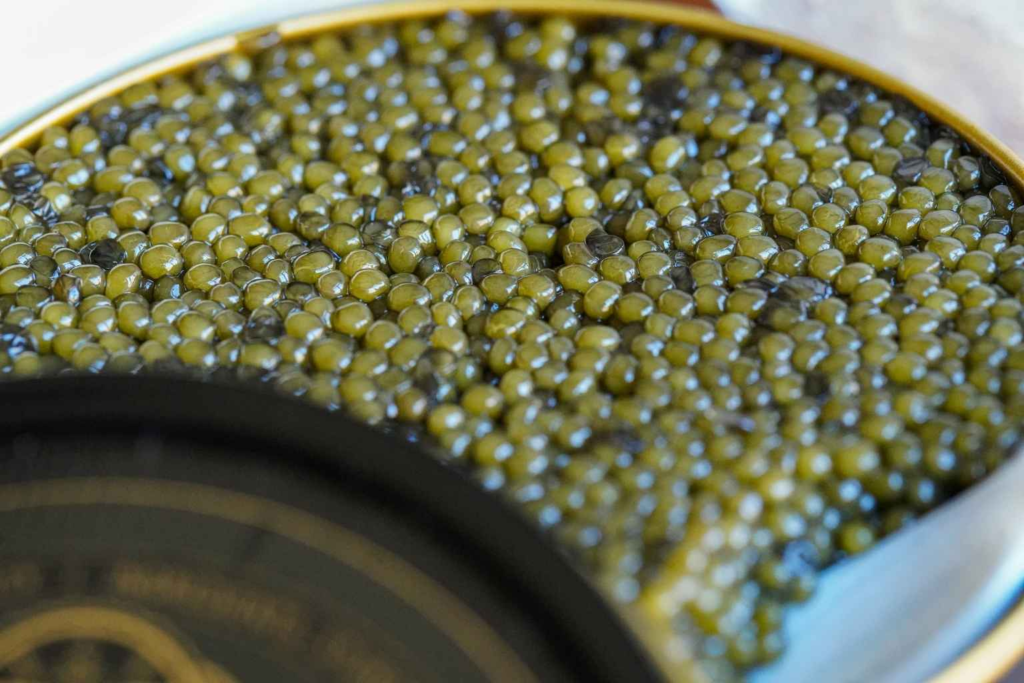
Imperial caviar represents the highest expression of sturgeon roe. It is not a species, but a grading reserved for exceptional quality. Only a small fraction of harvested caviar earns this title, selected for its large, luminous pearls, refined flavor, and perfect texture. Sourced from regions such as Iran and France, Imperial caviar defines luxury dining through precision, rarity, and sensory elegance.
Scientific Name:
Acipenser gueldenstaedtii (Osetra), Huso dauricus × Acipenser schrenckii (Kaluga Hybrid), Huso huso (historical Beluga reference)
Common Names:
Imperial Osetra, Imperial Kaluga, Imperial Grade Caviar
Egg Size:
1.8
Color Range:
Salinity Level:
4
Low
Grades Available:
Grade 1, Grade 2
Typical Price Range:
400
Production Method:
Farmed
Best Serving Temp:
30
Sustainability Notes:
Modern Imperial caviar is almost exclusively farm-raised due to strict international regulations protecting wild sturgeon populations. Sustainable aquaculture in France and other regions ensures controlled quality, traceability, and compliance with CITES. Ethical producers focus on long maturation cycles, water purity, and humane harvesting practices to preserve both species and product integrity.

What Is Imperial Caviar?

Imperial caviar is a premium grade designation applied to the finest sturgeon roe. It typically comes from species such as Osetra, Kaluga, or Beluga, but only the top selection within each harvest qualifies.

Imperial caviar meaning and grading criteria

Imperial is widely considered the highest grade in the caviar hierarchy. It is reserved for roe with superior size, color, flavor, and consistency. The pearls are typically larger and lighter in tone, often with golden or amber hues that signal maturity and refinement.

Grading depends on multiple factors:

  • Egg size and uniformity
  • Color clarity and brightness
  • Texture and firmness
  • Flavor purity and balance

Only a very small percentage of production meets these standards, sometimes as little as 2 percent of a harvest.

Why Imperial grade matters in luxury dining

Imperial caviar is prized because it delivers consistency at the highest level. Chefs and sommeliers rely on this grade for tasting menus, where subtle differences in texture and finish matter. It represents not just quality, but precision in sourcing and handling.

Flavor Profile of Imperial Caviar

Imperial caviar is known for its refined and balanced taste. It avoids excessive saltiness and instead highlights the natural character of the roe.

Nutty and buttery tasting notes

The dominant flavor profile is nutty and buttery, often described as smooth and clean. The finish is long and elegant, with subtle marine salinity rather than sharp brine.

You may detect:

  • Hazelnut or almond undertones
  • Creamy, rounded mouthfeel
  • Light mineral finish

This balance is a direct result of malossol curing, a low-salt technique that preserves natural flavor.

How texture influences the tasting experience

Imperial caviar typically has a medium to firm texture. Each pearl holds its shape before gently releasing flavor. The pop is delicate, never aggressive, creating a layered tasting progression.

Texture matters because it controls how flavor is released across the palate. Softer roe can feel flat, while overly firm roe can feel dry. Imperial achieves the ideal midpoint.

Types of Imperial Caviar by Species

Imperial is a grade applied across several sturgeon species, each offering a distinct profile.

Imperial Osetra caviar

Osetra Imperial is the most recognized expression. It features medium to large pearls with golden tones and a complex nutty flavor. It is often sourced from Iran and European farms.

Imperial Kaluga and hybrid varieties

Kaluga hybrids produce large, glossy pearls with a creamy, buttery finish. These are commonly farmed in France and China under controlled aquaculture systems.

Rare traditional Imperial sources

Historically, Imperial caviar also referred to rare sterlet or Caspian selections reserved for royalty. Today, sustainability laws and CITES regulations limit wild harvesting, making farm-raised Imperial the dominant source.

Why Imperial Caviar Is So Expensive

Imperial caviar sits in the highest price band for several reasons tied to rarity and production.

Limited yield and strict selection

Only a small percentage of roe qualifies as Imperial. This strict selection reduces supply significantly while maintaining elite standards.

Sturgeon maturity and time investment

Sturgeon take years, sometimes decades, to reach optimal maturity. Older fish produce larger, lighter-colored eggs, which are preferred for Imperial grading.

Craftsmanship and processing techniques

Each batch is hand-sorted and lightly salted using malossol methods. This requires precision and experience. The result is a product with a short shelf life but unmatched freshness and flavor.

How to Serve Imperial Caviar Properly

Serving Imperial caviar correctly preserves its quality and enhances its flavor.

Traditional serving methods

Imperial caviar should be served chilled, ideally between 28°F and 32°F. It is best presented simply to highlight its natural character.

Use:

  • Mother-of-pearl spoon
  • Glass or ceramic serving dish
  • Crushed ice base

Avoid metal utensils, which can alter the flavor.

Best pairings for Imperial caviar

Classic pairings elevate the tasting experience without overpowering the roe:

  • Champagne for acidity and effervescence
  • Crème fraîche for creamy contrast
  • Blinis or lightly toasted brioche

These combinations create balance between richness and freshness.

Sustainability and Modern Imperial Caviar

Modern Imperial caviar is largely farm-raised due to environmental protections.

Farm-raised vs wild caviar

Wild sturgeon populations, especially in the Caspian Sea, have declined significantly. Regulations now restrict wild harvesting, making aquaculture essential.

Farmed caviar from France and other regions offers:

  • Controlled quality
  • Ethical sourcing
  • Consistent grading

CITES regulations and ethical sourcing

International trade is regulated to protect endangered sturgeon species. Buyers should look for certified products to ensure compliance and sustainability.

How to Buy Authentic Imperial Caviar

Purchasing Imperial caviar requires attention to detail and trusted sourcing.

What to look for when buying Imperial caviar

Key indicators of authenticity:

  • Clear labeling of species and origin
  • Uniform pearl size and color
  • Fresh, clean aroma

Avoid products that appear overly dark, mushy, or excessively salty.

Storage and freshness guidelines

Imperial caviar must be stored in the coldest part of the refrigerator. Once opened, it should be consumed within 24 to 48 hours for optimal flavor.
sustainability and modern imperial caviar

Frequently Asked Questions About Imperial Caviar

Have Questions About Imperial Caviar?

Imperial caviar is the highest grading of sturgeon roe, selected for its large, uniform pearls, refined color, and balanced flavor. It is prized for its buttery, nutty taste and clean finish, making it a benchmark in luxury caviar. Unlike standard grades, only a small percentage of each harvest qualifies as Imperial, which contributes to its exclusivity and price. Most Imperial caviar today is farm-raised under strict sustainability regulations, ensuring both quality and ethical sourcing.

What makes caviar Imperial grade?

Imperial grade is assigned to the highest quality roe based on size, color, texture, and flavor. Only a small percentage of production qualifies.
No. While Osetra is the most common, Imperial grade can apply to Kaluga, Beluga, and other sturgeon species.
Lighter color often indicates older, more mature sturgeon, which produce more refined and complex roe.
It is smooth, nutty, and buttery with a clean finish and minimal saltiness.
Most Imperial caviar today is farm-raised and regulated under international conservation laws.
It falls in the highest price tier due to rarity, often exceeding several hundred dollars per ounce depending on species and origin.
It can be, but fresh malossol Imperial caviar is preferred for superior flavor and texture.

Experience the Rarest Expression of Caviar

Golden caviar represents the pinnacle of rarity and refinement within the world of sturgeon roe. Its luminous appearance and delicate flavor set it apart as a true luxury food.

To deepen your expertise, explore guides on what defines caviar as a luxury food and the historical evolution of this extraordinary delicacy.

More Information

Scientific Name:
Acipenser gueldenstaedtii (Osetra), Huso dauricus × Acipenser schrenckii (Kaluga Hybrid), Huso huso (historical Beluga reference)
Common Names:
Imperial Osetra, Imperial Kaluga, Imperial Grade Caviar
Egg Size:
1.8
Color Range:
1.8
Salinity Level:
4
Low
Grades Available:
Grade 1, Grade 2
Typical Price Range:
400
Production Method:
Farmed
Best Serving Temp:
30
Sustainability Notes:
Modern Imperial caviar is almost exclusively farm-raised due to strict international regulations protecting wild sturgeon populations. Sustainable aquaculture in France and other regions ensures controlled quality, traceability, and compliance with CITES. Ethical producers focus on long maturation cycles, water purity, and humane harvesting practices to preserve both species and product integrity.

Image Gallery

Subscribe To The Caviar Club

Get a taste for the exquisite caviar our club offers. As a member, you’ll have access to premium caviar at the best possible prices. You can always order a sampler first to try this amazing delicacy for yourself.

caviar guide icon lower

Suggested Pairings

Caviar and Champagne: How to Pair Bubbles with Caviar

Caviar and Champagne is one of gastronomy’s most enduring pairings. The combination works not because of tradition, but because of chemistry. Salt, fat, acidity, and texture align with precision. When chosen correctly, Champagne cleanses the palate, lifts aromatics, and sharpens the natural character of sturgeon roe. When chosen poorly, it overwhelms the caviar. Understanding why this pairing works allows you to select the right bottle for each caviar style with confidence.
caviar and creme fraiche silky and balanced

Caviar and Crème Fraîche: Silky and Balanced

Crème fraîche and caviar form one of the most elegant and time tested pairings in classic gastronomy. The cultured cream softens the salinity of sturgeon roe while enhancing its buttery texture. Together they create a balanced bite that feels both rich and refined.
caviar and blinis classic service at home

Caviar and Blinis: Classic Service at Home

Blinis with caviar represent one of the most iconic traditions in luxury gastronomy. The delicate pancake provides a warm, soft base that highlights the cool, silky texture of sturgeon roe. When served properly, the combination creates balance between richness, salt, and subtle sweetness.
Receive the latest news

Subscribe To Our Weekly Newsletter

Get notified about new articles

No spam. Unsubscribe anytime.