What Is Imperial Gold Caviar?
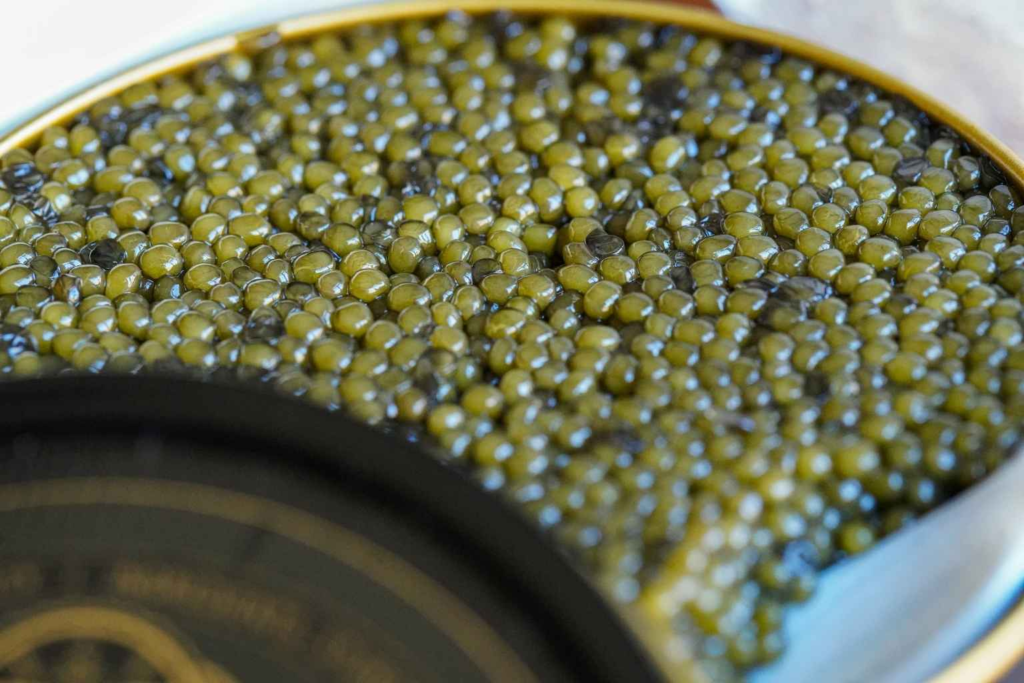
Imperial Gold Caviar is a premium selection of sturgeon roe recognized for its naturally golden-to-amber pearls, refined flavor, and carefully graded texture. It is commonly associated with exceptional Osetra or Oscietra caviar, although the term “Imperial Gold” is not tied to one universally defined sturgeon species. Instead, producers typically use the designation for select batches that meet demanding standards for color, pearl quality, firmness, and taste.
Its golden appearance is one of its most recognizable qualities, but color is only part of its appeal. High-quality Imperial Gold combines well-separated pearls, balanced salinity, a clean aroma, and a creamy, nutty flavor. Because grading terminology varies between producers, the actual species, farm origin, and production information remain important when evaluating a tin.
How Golden Color and Selective Grading Define Imperial Gold
The distinctive appearance of Imperial Gold comes from naturally lighter sturgeon eggs that may range from warm amber and honey tones to rich gold. Osetra roe naturally occurs in several colors, but lighter golden examples are less common and can therefore receive special attention during grading.
Producers assess more than color when creating a premium selection. Pearl uniformity, membrane strength, freshness, texture, and flavor balance are also considered. The best batches combine visual rarity with the sensory qualities expected from high-end caviar.
Why Imperial Gold Is Considered a Premium Caviar Selection
Imperial Gold earns its luxury positioning through a combination of rarity, maturation, careful production, and selective grading. Sturgeon require years of controlled rearing before mature roe can be harvested, and only a portion of that roe may display the desired golden coloration and quality characteristics.
After harvesting, the eggs are carefully cleaned, lightly salted, graded, and kept under strict refrigeration. Batches with attractive golden pearls, resilient texture, and a balanced creamy-nutty profile may be selected for the Imperial Gold category, creating a caviar valued for both its appearance and tasting experience.
Flavor Profile and Texture of Imperial Gold Caviar
Imperial Gold Caviar is known for a creamy, buttery flavor supported by distinctive nutty undertones. The initial taste is smooth and restrained, allowing gentle salinity to complement rather than overpower the roe. As the flavor develops, subtle mineral and marine notes can emerge, followed by a clean, lingering nuttiness characteristic of premium Osetra-style caviar.
The texture adds another layer to the experience. Imperial Gold typically has firm, well-defined pearls with delicate membranes that create a noticeable pop when pressed against the palate. Once the eggs release, the interior becomes silky and rich. This contrast between structured pearls and creamy roe gives Imperial Gold its refined mouthfeel.
What Imperial Gold Caviar Tastes Like in Detail
When tasted on its own, Imperial Gold usually begins with mild brine and soft creaminess. As the pearls burst, buttery richness becomes more pronounced while nutty, mineral, and gently savory notes develop across the palate.
The finish is typically smooth and persistent rather than sharply salty or aggressively fishy. A high-quality selection leaves behind a subtle combination of nuttiness, clean marine character, and creamy richness, making Imperial Gold especially suitable for tasting by itself before introducing accompaniments.

Where Imperial Gold Caviar Comes From
Imperial Gold Caviar is most often associated with premium Osetra or Oscietra sturgeon raised through modern aquaculture. While Osetra has historical roots in the Caspian and Black Sea regions, today’s luxury caviar market relies heavily on regulated farms in Europe and other established sturgeon-producing regions. These farms provide controlled freshwater conditions where water quality, nutrition, temperature, and fish development can be closely managed.
The name Imperial Gold does not identify one geographic origin. Instead, it generally describes a premium selection distinguished by naturally golden or amber roe and high grading standards. This means two Imperial Gold products may come from different farms or even different sturgeon varieties, making species and origin information on the label particularly important.
How Aquaculture Influences Imperial Gold Quality
Producing exceptional golden roe begins years before the eggs are harvested. Sturgeon mature slowly, so farms carefully manage feeding, water conditions, fish health, and growth throughout a long production cycle.
Stable farming conditions encourage healthy egg development and allow producers to monitor roe maturity more precisely. However, aquaculture cannot simply guarantee golden eggs. The desired lighter coloration is naturally uncommon, which means only certain fish and batches will produce roe suitable for an Imperial Gold selection.
Why Natural Golden Roe Remains Uncommon
Sturgeon roe naturally occurs across a broad spectrum of colors. Osetra, for example, can produce eggs ranging from darker brown and olive shades to amber and gold.
The lighter golden end of this spectrum is less frequently encountered, adding to its visual appeal and market value. Producers then further narrow the selection by considering firmness, pearl uniformity, flavor, and overall condition. This combination of natural rarity and selective grading helps distinguish Imperial Gold from standard caviar offerings.
How Imperial Gold Caviar Is Produced
Imperial Gold production begins when mature sturgeon develop roe at the appropriate stage for harvesting. After collection, the eggs are gently separated from surrounding tissue, cleaned, and examined for physical quality. Careful handling is essential because damaged membranes can affect both appearance and the characteristic pop of premium caviar.
The roe is then lightly salted and graded. Producers evaluate characteristics including pearl size, golden coloration, firmness, uniformity, aroma, and flavor. Batches that combine desirable lighter shades with excellent sensory qualities may be chosen for an Imperial Gold designation.
How Malossol Curing Protects Its Refined Flavor
Premium Imperial Gold is commonly prepared using a malossol-style cure, meaning relatively little salt is used compared with heavily preserved roe.
Restrained salting allows the natural characteristics of the caviar to remain prominent. Instead of tasting primarily salty, the roe can reveal its creamy texture, Osetra-like nuttiness, subtle mineral character, and clean marine finish. Precise salt control also prevents the delicate golden pearls from becoming unnecessarily harsh.
Why Selection Matters More Than Golden Color Alone
Golden appearance is desirable, but it does not automatically make roe premium quality. Each batch still needs to perform well in texture, freshness, pearl integrity, aroma, salinity, and flavor.
This is why grading is particularly important for Imperial Gold. The strongest selections combine attractive amber or golden pearls with resilient membranes and a clean, balanced tasting profile. Maintaining refrigeration throughout packing, transportation, and storage then protects those qualities until the caviar reaches the consumer.
How to Serve and Pair Imperial Gold Caviar
Imperial Gold Caviar should be served well chilled, ideally with the tin or serving bowl resting over crushed ice. Keeping the roe cold protects the firmness of its golden pearls and allows its creamy, nutty character to remain clean and distinct. For an initial tasting, serve a small spoonful by itself before introducing accompaniments.
Pairings should complement rather than cover its refined flavor. Warm blinis, lightly cooked potatoes, toast points, eggs, and a small amount of crème fraîche provide gentle backgrounds for the roe. For drinks, Champagne, dry sparkling wine, crisp white wine, or chilled vodka can balance the caviar’s buttery richness and refresh the palate.
Why Simple Serving Highlights the Golden Pearls
Imperial Gold is prized for both flavor and appearance, so minimal presentation allows its amber-to-golden pearls to remain the centerpiece. Strong sauces, excessive citrus, or heavily seasoned garnishes can easily hide the subtle nutty and mineral qualities that distinguish the caviar.
Neutral accompaniments instead create contrast without taking control of the tasting experience. A warm blini or potato also provides a pleasant temperature and texture contrast against the cool, firm pearls.

FREQUENTLY ASKED QUESTIONS ABOUT IMPERIAL GOLD CAVIAR
Imperial Gold Caviar is a premium selection of sturgeon roe prized for its naturally golden-to-amber pearls, firm texture, and creamy, nutty flavor. Often associated with high-grade Osetra or Oscietra, Imperial Gold is selected for more than its distinctive color. Pearl consistency, membrane strength, freshness, flavor balance, and overall presentation also contribute to its premium status.
Unlike a specific caviar species, Imperial Gold is generally a producer or grading designation, so its exact origin can vary. This makes the species, farm, and traceability information on the tin important when comparing different Imperial Gold products.
What is Imperial Gold Caviar?
Imperial Gold Caviar generally refers to a high-grade selection of naturally golden or amber sturgeon roe. It is frequently associated with Osetra-style caviar, although “Imperial Gold” itself is not the name of a sturgeon species. Producers typically reserve the designation for roe that meets premium standards for appearance, texture, and flavor.
What does Imperial Gold Caviar taste like?
Imperial Gold typically offers a creamy and buttery opening followed by nutty, savory, and subtle mineral notes. Its salinity is usually restrained enough to let these flavors develop gradually. The finish tends to be clean and persistent rather than strongly salty or fishy.
Why is Imperial Gold Caviar golden?
The gold or amber appearance occurs naturally in certain sturgeon roe. Osetra eggs can range from darker brown and olive shades to lighter amber and gold. These lighter eggs are less common, which contributes to their desirability. The color should come from the roe itself rather than artificial coloring in a genuine premium selection.
How should Imperial Gold Caviar be served?
Serve Imperial Gold well chilled, preferably with the tin resting over crushed ice. It can first be tasted alone before adding mild accompaniments such as blinis, potatoes, toast points, eggs, or crème fraîche. Simple presentation helps preserve its delicate nutty and creamy qualities.
What drinks pair best with Imperial Gold Caviar?
Brut Champagne, dry sparkling wine, crisp white wine, and chilled vodka are suitable choices. Champagne provides acidity and carbonation that cut through the roe’s richness, while vodka offers a cleaner pairing that keeps attention on the caviar.
Why is Imperial Gold Caviar expensive?
Its price reflects several factors, including the years required for sturgeon to mature, controlled aquaculture, careful harvesting, malossol curing, refrigeration, and selective grading. Naturally golden roe is also less common than many darker shades. Only batches combining desirable coloration with excellent texture and flavor may qualify for a producer’s premium Imperial Gold selection.
Experience Imperial Gold Caviar
Imperial Gold Caviar brings together visual rarity and the refined qualities expected from premium sturgeon roe. Its luminous amber-gold pearls, resilient texture, creamy richness, and characteristic nutty finish create an experience that stands apart from darker caviar selections. Served simply and properly chilled, Imperial Gold allows both its unusual appearance and layered flavor to become the focus of the tasting.