What Is Italian Caviar?
Italian caviar is salt-cured sturgeon roe produced in Italy, where modern farms raise several species for distinct tasting styles. Clean, buttery selections are part of its appeal, but Italian origin does not define one flavor. White sturgeon, Osetra, and Siberian caviar offer different pearl sizes, textures, and finishes within the same production region.
Why Italy Produces Several Caviar Styles
Italy’s modern caviar sector reflects aquaculture rather than one native Italian sturgeon. Farms raise species with different origins and characteristics, so the country produces several distinct styles. A clear product description names both the sturgeon species and the farmed origin.
A Producer Example From Lombardy
Calvisius, based in Calvisano in Lombardy, describes an integrated operation from sturgeon breeding through caviar preparation. It offers one example of Italian production, not a specification for every farm. Confirm the producer and origin for the individual tin.
Flavor Profile and Texture of Italian Caviar
Italian caviar spans a range of flavors and textures rather than one national profile. The clean, buttery character in your brief is a useful preference, but the species, maturity, cure, and batch shape each tin. Compare descriptions at the variety level.
Comparing White Sturgeon, Osetra, and Siberian Roe
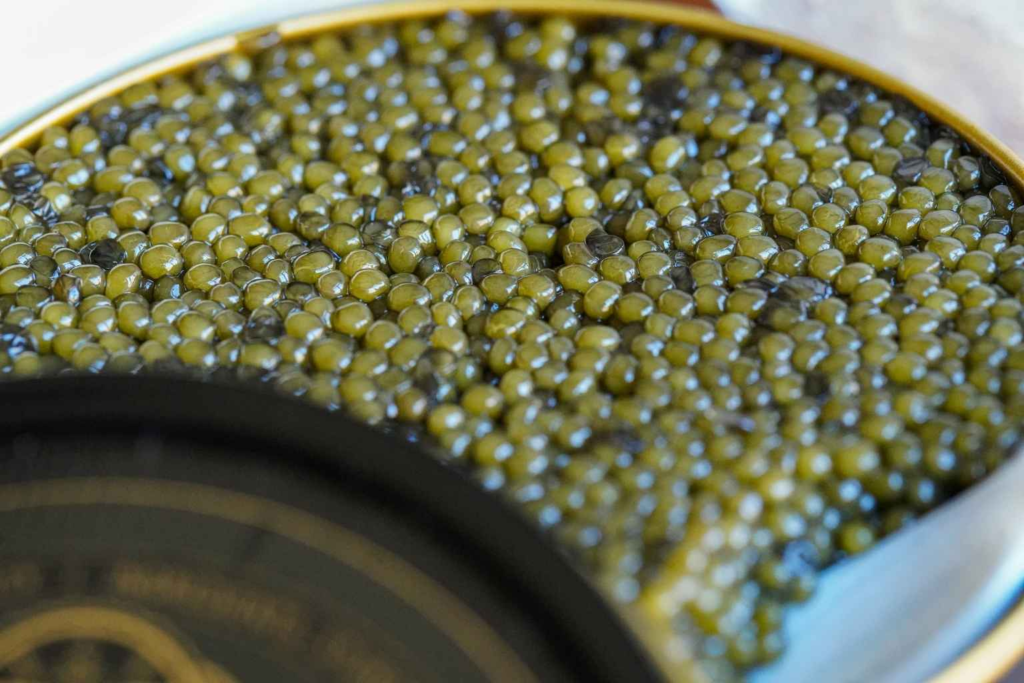
White sturgeon caviar can offer substantial pearls and a rich mouthfeel. Osetra is often described as rounded and nutty, while Siberian selections can be finer-grained with a marine finish. These are tendencies; ask about the producer’s specific batch.
How Pearl Size Changes the Bite
Larger pearls make each egg more distinct, while finer roe spreads across the palate differently. Membrane feel and freshness matter too. Neither a large egg nor a pale shade alone guarantees better flavor, so compare the complete tasting experience.

Where Italian Caviar Comes From
Northern Italy, including Lombardy, plays a notable role in modern caviar farming. Farm systems and production methods vary, and a producer may sell products from more than one country. Check the origin printed for the individual tin instead of relying on a brand name.
Production Versus Packing in Italy
Ask where the sturgeon were raised and where the roe was produced. Packing or selling a tin in Italy does not by itself establish those details. The producer or seller should be able to explain the chain of production clearly.
Why Farm Practices Matter
Country of origin gives context, while farm-level information explains how the product was made. Water management, fish health, feed, and waste handling all matter when assessing environmental claims. See our sustainable and ethical caviar buying guide for questions to ask.
How Italian Caviar Is Produced
Italian caviar production begins with farmed sturgeon raised over several years. Once the roe reaches maturity, producers assess it, separate and clean the eggs, cure them with salt, and keep the finished product refrigerated. Timing and methods vary by species and operation. Learn more in our modern caviar aquaculture guide.
Curing and Selection Create Different Results
A lightly salted cure may let subtler notes come through, but “malossol” does not specify an exact salt level or texture. Producers also sort roe into their own selections. Ask whether a grade refers to egg size, color, firmness, flavor, or a mix of traits.
Buying Italian Caviar at the Right Price
Compare species, net weight, processing, and selection before comparing prices. Check the ingredients, date information, producer, and delivery conditions. A higher price may reflect a scarce selection, but value depends on whether its qualities suit your taste.
How to Serve and Pair Italian Caviar
Serve the tin well chilled over ice and taste the roe on its own first. Let the eggs open gently against the palate, then try a mild base. This makes it easier to notice the caviar’s texture and finish before other flavors join the bite.
Pairing With Italian-Inspired Dishes
Plain potatoes, soft eggs, or a small serving of lightly dressed pasta can give caviar room to show its character. Add it just before serving rather than cooking it. Strong garlic, heavy sauce, and abundant lemon can cover delicate notes.
Champagne and White Wine Pairings
Dry Champagne or Italian sparkling wine can balance caviar’s richness. A crisp white wine with restrained oak is another option. Choose a drink that leaves room for the roe’s finish, especially with a delicate selection.

FREQUENTLY ASKED QUESTIONS ABOUT ITALIAN CAVIAR
Italian caviar includes several sturgeon species and styles. These answers explain what the Italian origin means, how to compare varieties, and what to check before buying.
Is Italian caviar real caviar?
Yes. Italian caviar is genuine caviar when it is salt-cured roe from sturgeon. “Italian” identifies the production origin; it does not name a single species.
What fish is Italian caviar made from?
Italian producers raise several sturgeon species, including white sturgeon, Russian sturgeon, and Siberian sturgeon. Check the species named on the specific tin.
Can Osetra caviar be made in Italy?
Yes. Osetra caviar can be produced in Italy. Osetra identifies the variety or species group; the country where it was farmed is a separate label detail.
Does all Italian caviar taste buttery?
No. Flavor varies with species, maturity, curing, and batch. Clean, buttery notes describe some selections; others can taste nuttier or more marine.
Is Italian caviar sustainable?
Sustainability depends on the farm and supporting evidence, not the country alone. Ask about fish health, water and waste management, and traceability for the producer.
Species, production time, batch selection, packaging, and distribution help shape cost. Compare equivalent products by species and weight rather than relying on a national label or prestige name alone.
What should I compare when buying?
Compare species, production country, producer, net weight, cure, and what the grade means for that seller. Check the date and storage guidance, then compare price per gram.
Explore Italy Through Its Caviar Varieties
Choose Italian caviar by the species and style you want to taste, then confirm the producer and origin on the label. Comparing two clearly described selections can reveal more than a broad national ranking and help you find the right tin for your table.