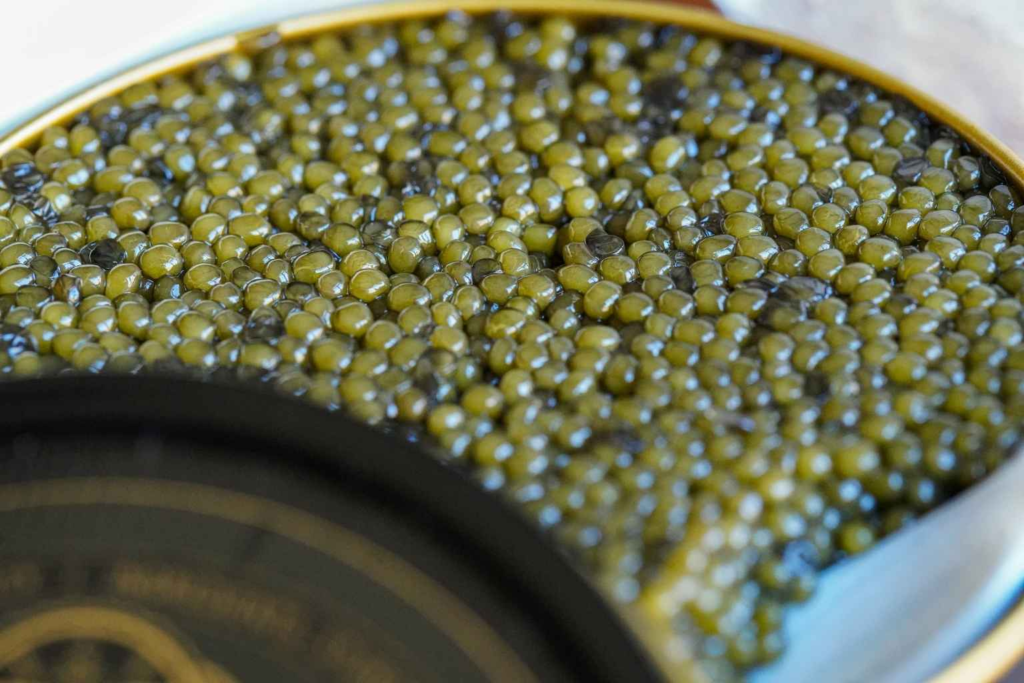
What is Paddlefish Caviar Made From
Paddlefish caviar is roe from the American paddlefish, a non-sturgeon species scientifically known as Polyodon spathula. It is sometimes described in the market alongside “American caviar” offerings because it provides a visually similar experience to traditional sturgeon roe, with dark pearls and a satisfying pop. The key difference is biological, not culinary: paddlefish is not a sturgeon, so it belongs in the non-sturgeon caviar category on a variety page, even though many diners experience it as “classic caviar” in service.
In the Southern States, paddlefish have deep historical ties to river systems, and reputable producers emphasize clear origin, careful harvest timing, and disciplined cold chain handling. Those details matter because paddlefish roe can swing from elegantly smoky and mineral to overly fishy if processing or storage is rushed. High quality Paddlefish caviar should present clean aroma, distinct bead separation, and a finish that feels savory rather than sharp.
Because naming in the caviar world can be inconsistent, the most reliable buying practice is to verify the scientific name on the tin or product page. If you see Polyodon spathula, you are looking at true Paddlefish caviar. That single line protects authenticity, supports traceability, and ensures you are purchasing the non-sturgeon variety you intended.
Common names and why label clarity matters
Paddlefish caviar is sometimes marketed under broader language such as American caviar, paddlefish roe, and in some catalogs it appears close to “hackleback” style offerings. This is where label literacy becomes part of luxury service. A premium tin should specify species, origin, and a packed on or lot reference that signals professional handling. When those details are missing, quality is a gamble, and mislabeling becomes more likely.
For hosts building a tasting flight, clarity also improves pairing decisions. Knowing you are serving Paddlefish caviar lets you lean into its signature smoky, earthy character with vodka and blinis, rather than designing a menu for buttery Osetra caviar or ultra delicate sturgeon grades. In fine dining, precision is the difference between a good bite and a composed experience.
Paddlefish Caviar Taste, Aroma, and Texture
Paddlefish caviar is defined by intensity that stays controlled. The flavor profile is typically smoky and earthy, with a savory backbone that can read as mineral, toasted, or faintly river stone like, depending on cure and freshness. It is not the creamy, nutty style associated with classic Osetra caviar, and it usually lacks the rich butteriness that people expect from large pearl sturgeon roe. Instead, it delivers a more direct, savory expression that stands up beautifully to neutral carriers and chilled spirits.
Texture is one of its strongest assets. Paddlefish caviar is often described as firm, with a pronounced pop that performs well on blinis, warm potatoes, and crisp base layers. The beads should feel resilient, not mushy. When served at proper temperature, the pearls separate cleanly, sit neatly on a spoon, and release flavor in a crisp sequence rather than dissolving immediately.
Aroma should be fresh and marine, not aggressively fishy. The moment you open the tin, you want a clean brine impression, subtle smoke, and a restrained richness. If the aroma feels sour, overly pungent, or muddy, it often signals poor storage, long exposure after opening, or a tin that is past peak.
Tasting notes for smoky, earthy Paddlefish caviar
To taste Paddlefish caviar like a professional, keep the first bite simple. Place a small spoonful on the tongue and let it warm for a few seconds before pressing it gently against the palate. Expect an initial briny lift, then smoky, earthy depth, and a savory finish that lingers. The best tins have clarity, not chaos, meaning distinct flavors that arrive in sequence rather than a single salty hit.
This style also rewards contrast. A warm blini with cool crème fraiche creates a temperature and texture counterpoint that helps the smoky notes read refined instead of heavy. Vodka, served very cold, keeps the finish clean and prevents aromatic clutter. These details matter because Paddlefish caviar is bold enough to overwhelm delicate accompaniments, but it becomes elegantly balanced when the plate stays neutral and restrained.

How Paddlefish Caviar is Made
Understanding how paddlefish caviar is made begins with timing, technique, and temperature control: mature paddlefish eggs are carefully harvested, separated, rinsed, drained, and cured with salt to create finished paddlefish roe caviar. Roe must be harvested when eggs are mature, then handled gently to preserve bead integrity. The eggs are typically separated, rinsed, and drained with care, then cured using a controlled salting technique. In premium tins, the cure is commonly aligned with malossol principles, meaning a light salt approach designed to protect the natural flavor and texture of the roe.
Processing decisions shape the final experience. Over-salting can flatten smoky complexity and turn earthy depth into harshness. Under-salting can shorten shelf life and blur aroma. The producer’s craft is in finding the point where salinity supports structure and freshness while allowing the paddlefish signature to remain front and center.
Storage is part of production, not an afterthought. Cold storage near the freezing point, without actually freezing the tin, helps preserve firmness and aroma. That is why reputable sellers ship with insulated packaging and cold packs, and why premium buyers plan service around the delivery window. Paddlefish caviar is at its best when it has been kept consistently cold from processing to plating.
Malossol style curing and why it matters
Malossol is one of the most important LSI terms in caviar because it explains why a tin tastes clean instead of aggressively salty. While exact salt percentages vary by producer, malossol philosophy is simple: use as little salt as possible to protect the natural identity of the roe. For Paddlefish caviar, this is especially valuable because smoky and earthy notes can become dull if the cure is heavy handed.
A well cured tin shows three signs: pearls that stay separate, texture that remains firm, and a finish that feels savory rather than brackish. This is also where serving etiquette intersects with processing. Using a mother-of-pearl tasting spoon and keeping the tin nested in ice reduces oxidation and temperature swings that can undo the producer’s careful work.
How to Serve Paddlefish Caviar and Best Pairings
Paddlefish caviar performs best when service is classic and disciplined. Keep the tin cold, ideally set over crushed ice, and portion small amounts frequently rather than leaving a large mound exposed. Avoid reactive metals and use a mother-of-pearl spoon to preserve purity. Serve it straight from the tin or plate it on neutral bases that let smoky, earthy notes read as sophisticated rather than heavy.
For the Southern States origin story, consider pairing cues that feel American but still refined. Blinis and vodka are timeless because they match the caviar’s structure. The blini provides warmth and softness, vodka provides cold clarity, and Paddlefish caviar provides the firm pop and savory depth that ties the bite together. Add crème fraiche for roundness, and keep garnishes minimal. Chives can work, but avoid citrusy or overly herbal elements that compete with smoke.
Portioning is also a luxury signal. For a tasting course, 10 to 15 grams per person is enough to communicate the full profile. For a cocktail setting, plan more, because the blini format encourages repeat bites. In both settings, the goal is not volume. It is consistency of temperature, texture, and aroma.
Vodka and Blinis Pairing Notes
Vodka is the cleanest pairing for Paddlefish caviar because it amplifies freshness while keeping smoke and earth in focus. Serve vodka well chilled, in small pours, and avoid flavored spirits. The caviar should be the aromatic lead. If you want an elevated touch, use a crisp, high quality vodka and serve it in frozen glasses for a tighter, more polished finish.
Blinis are the ideal vehicle because they offer neutral richness. A warm blini, a small spoon of crème fraiche, and a measured spoon of Paddlefish caviar creates balance. The firm pearls remain intact, the smoky notes feel refined, and the earthy finish becomes layered rather than blunt. This is a fine dining experience you can execute at home with almost no complexity, as long as temperature control is respected.
Wild vs Farmed Paddlefish Caviar and Responsible Sourcing
The wild vs farmed conversation matters because it intersects with sustainability, legality, and consistency. In the USA, paddlefish are associated with major river systems, and sourcing across the Southern States can reflect regional management practices. For buyers, the practical point is not ideology. It is traceability. A responsible tin should tell you what species it is, where it came from, and how it was handled.
Wild Paddlefish caviar can be exceptional when fishery management is strong and harvest is properly controlled. It can also be variable, since natural conditions influence egg size, texture, and flavor intensity. Farmed production, when available, can improve consistency and reduce pressure on wild populations, but quality depends on husbandry, feed, and processing discipline. Both pathways can produce excellent caviar. The difference is whether the producer can document it, and whether the seller preserves the cold chain.
For premium buyers, consider the caviar equivalent of provenance in wine. Origin, method, and handling tell you what the tin is trying to be. Paddlefish caviar should not need marketing noise. If the labeling is clear and the retailer is reputable, the product speaks for itself.
How to identify peak freshness
Freshness shows up in three places: pearl uniformity, aroma, and finish. The pearls should look glossy and separate cleanly. If they are clumped, weeping liquid, or dull, the tin may have been temperature abused. Aroma should be clean and marine with restrained smoke. If it smells sour, overly pungent, or stale, do not serve it.
The finish should be savory and structured. Good Paddlefish caviar leaves a smoky, earthy impression that fades cleanly. Poor handling often leaves a bitter, overly salty aftertaste. This is why storage is essential: keep it cold, open it close to service, and reseal promptly.
Where to Buy Paddlefish Caviar and What $$ Value Means
In the $$ tier, Paddlefish caviar is often chosen as a smart upgrade for entertaining. It delivers unmistakable caviar identity, a firm pop, and bold flavor without the premium pricing associated with top sturgeon categories. The value proposition depends on freshness and vendor discipline more than on chasing the lowest price.
Paddlefish caviar prices are generally more approachable than those of traditional sturgeon varieties, although the amount you pay depends on the producer, tin size, origin, freshness, and shipping method. When comparing paddlefish caviar vs. sturgeon caviar, paddlefish typically has smaller dark pearls and a bolder smoky, earthy taste, while sturgeon varieties often offer a creamier, nuttier, or more buttery profile. Paddlefish caviar vs. Osetra is therefore less about finding a direct substitute and more about choosing between robust American character and Osetra’s refined richness. If you are searching for paddlefish caviar for sale, compare the price per ounce and confirm that the seller identifies the species as Polyodon spathula, provides clear storage instructions, and ships the product under refrigeration.
Choose sellers who state species, origin, and handling practices. Look for cold shipping standards, clear storage guidance, and a tight delivery window. When the product arrives, store it in the coldest part of the refrigerator, usually the back of the bottom shelf. Keep the tin sealed until service, then open it carefully and avoid repeated warming.
If you are planning a menu, match tin size to format. For blinis and vodka, a smaller tin can feel luxurious because portions are controlled. For larger gatherings, scale up and keep multiple tins cold rather than opening one large tin too early. This maintains aroma and texture from the first bite to the last.
Storage and serving temperature best practices
Paddlefish caviar should be served very cold, ideally just above freezing. Keep it nestled in ice during service. Do not freeze it unless the producer explicitly recommends it, since freezing can compromise texture. Once opened, enjoy it promptly and minimize exposure to air.
Use a mother-of-pearl tasting spoon, keep accompaniments neutral, and avoid strong acids. These small decisions protect the smoky, earthy profile and preserve the firm texture that makes Paddlefish caviar such a reliable choice.

Frequently Asked Questions About Paddlefish Caviar
Have questions about Paddlefish caviar before selecting a tin? This FAQ section explains what Paddlefish caviar is in the American market, why it is closely tied to the Southern States and the Mississippi River basin, and how its smoky, earthy flavor and firm, popping pearls compare to other accessible favorites such as Hackleback style caviar and classic sturgeon caviar varieties. You will also learn how to confirm authenticity by checking the scientific name and origin on the label, how to spot peak freshness through pearl separation, clean aroma, and a savory finish, and how to store and serve Paddlefish caviar properly to preserve its structure and signature character. Finally, these FAQs clarify the sourcing and compliance details that matter for responsible purchasing, including traceability and CITES aware trade practices where applicable. If you want bold American flavor, reliable performance with vodka and blinis, and strong value in the $$ tier, these answers will help you choose and enjoy Paddlefish caviar with confidence.
What is Paddlefish caviar?
Paddlefish caviar is roe from the American paddlefish, Polyodon spathula. It is a non-sturgeon caviar option with dark pearls, firm texture, and a smoky, earthy flavor profile.
What does Paddlefish caviar taste like?
Paddlefish caviar typically tastes smoky and earthy with a savory, briny lift. It finishes clean when fresh and properly cured, and it feels more robust than creamy.
Is Paddlefish caviar real caviar?
In many markets, paddlefish roe is sold as caviar and served in traditional caviar rituals. It is not sturgeon roe, so it is categorized as non-sturgeon, but it still delivers a classic caviar experience in service.
What is the best way to serve Paddlefish caviar?
Serve Paddlefish caviar very cold, using a mother-of-pearl spoon, and keep the tin over ice. Pair it with blinis and crème fraiche for balance, and avoid strong flavors that compete with smoke.
What pairs best with Paddlefish caviar?
Vodka and blinis are the most classic pairings. Vodka keeps the finish clean and crisp, while blinis provide neutral richness that supports the firm pop and smoky depth.
How do you store Paddlefish caviar after opening?
Reseal the tin tightly, keep it in the coldest part of the refrigerator, and enjoy it promptly. Avoid temperature swings and limit exposure to air to preserve texture and aroma.
Is Paddlefish caviar wild or farmed?
Both exist in the broader market, depending on supplier and region. The most important factor is traceability. Confirm species, origin, and handling so you know exactly what you are buying.
Next Steps for Paddlefish Caviar Lovers
Paddlefish caviar is a confident choice for smoky, earthy flavor, firm texture, and strong $$ value, especially when you want an American origin story from the Southern States. To deepen your knowledge, explore the related guides How caviar is made and Wild vs farmed caviar, then build a simple tasting ritual around vodka, blinis, cold storage discipline, and precise labeling.