What Is pike roe?
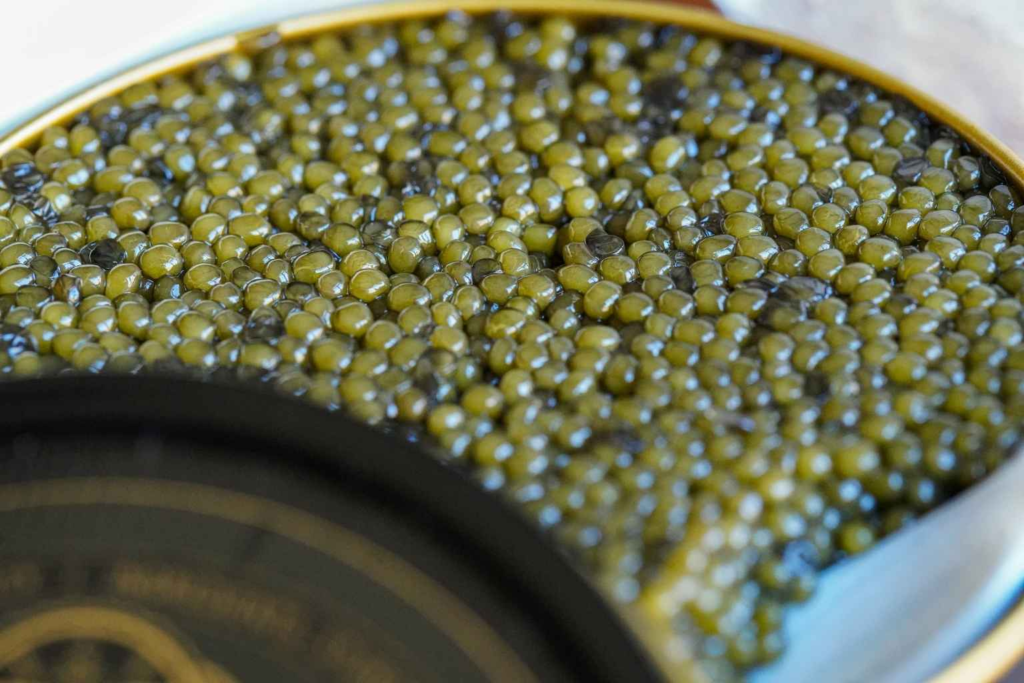
Pike roe comes from pike, commonly northern pike (Esox lucius). Its small eggs are prepared as fish roe and have a different size, color, and character from traditional sturgeon caviar.
Understanding pike roe
Pike is a freshwater fish, which gives this roe a different origin from many familiar caviar products. The eggs are small and remain distinct after preparation, making them easy to use as a topping or finishing ingredient.
Pike roe is commonly recognized by:
- Small individual eggs
- Yellow or golden tones in many prepared products
- Firm texture
- Clean flavor with noticeable salinity
Products labeled as pike caviar still come from pike rather than sturgeon.
How pike roe compares with sturgeon caviar
Pike roe has smaller eggs and a freshwater origin, while traditional caviar comes from sturgeon. The two also differ in appearance. Prepared pike roe often has yellow or golden tones instead of the gray, brown, or darker shades found in many sturgeon caviars.
These differences give pike roe its own place on the plate. The small, bright eggs work well on appetizers and simple dishes where their color and texture remain visible.
Flavor Profile of pike roe
Pike roe has a clean, lightly salty taste and small eggs that give each spoonful a fine, noticeable texture. Its flavor is generally more delicate than strongly cured types of fish roe.
Delicate and lightly salty tasting notes
Salinity comes through first, followed by a mild roe flavor. The small eggs spread across the palate quickly, so the taste feels even rather than concentrated in a few larger pearls.
You may notice:
- Clean salinity
- Mild freshwater character
- Gentle savory notes
- A light finish
Its softer flavor works well with simple ingredients such as potatoes, bread, eggs, and mild seafood.
How the small eggs affect the texture
Pike roe has small, distinct eggs. Instead of the larger pearl sensation found in many sturgeon caviars, it gives the palate a finer texture with many tiny grains in each bite.
That difference becomes especially noticeable when pike roe is used as a topping. The eggs spread easily across an appetizer or dish, adding texture and small bursts of salinity without covering the food underneath.

What makes pike roe different
Pike roe comes from freshwater fish and has a noticeably different character from traditional sturgeon caviar. Its small eggs and bright appearance make it especially useful for appetizers and finishing dishes.
A freshwater roe
Northern pike live mainly in freshwater environments such as lakes and rivers. Their roe therefore comes from a different type of fish and habitat than traditional sturgeon caviar.
Small eggs with a bright appearance
Prepared pike roe often has small yellow or golden eggs. The fine grains spread easily over food, so even a small spoonful can add visible texture across a dish.
How preparation affects the roe
Salt seasons the eggs and influences their final texture. Properly prepared pike roe keeps the individual grains separate, giving each serving a fine, lightly firm texture.
How to serve pike roe
Pike roe is easy to use as a topping because its small eggs spread naturally across the food underneath.
Simple ways to serve it
Serve pike roe in small spoonfuls or add it shortly before the dish reaches the table.
Try it with:
- Blini or small pancakes
- Potatoes
- Eggs
- Toast or crisp bread
Simple bases make it easier to notice the roe’s texture and gentle salinity.
Foods to pair with pike roe
Potatoes, bread, eggs, and mild dairy-based accompaniments work well with pike roe because their flavors stay in the background.
Pike roe can also finish simple seafood appetizers. Avoid piling on strongly seasoned sauces if you want the small eggs and their delicate flavor to remain noticeable.
Pike roe in northern food traditions
Pike has long been caught for food across many northern freshwater regions. When roe is available, the eggs can be prepared separately and used as a small, salty addition to a meal.
From freshwater catch to table
Northern pike live across parts of Europe, Asia, and North America. The roe can be removed from the fish and prepared separately from the flesh.
Preparation may involve:
- Removing the eggs from the roe sac
- Cleaning and salting the eggs
Once prepared, the small eggs can be spooned onto bread, potatoes, eggs, or other simple foods.
What to check when buying pike roe
Packaged pike roe varies by producer, so the label is useful when comparing products. Check which fish species is listed and look at the ingredient list to see how the roe was prepared.

Frequently asked questions about pike roe
Pike roe is a freshwater fish roe with small eggs and a delicate, lightly salty taste. It comes most commonly from northern pike and is prepared differently from traditional sturgeon caviar. These questions cover the points readers often want to know before buying, serving, or tasting it.
Is pike roe considered real caviar?
In the strict culinary sense, pike roe is fish roe rather than traditional caviar, which refers to salt-cured sturgeon eggs. That said, anglers commonly use terms such as “pike caviar” when they salt and prepare northern pike eggs in a caviar-like way. A recent Reddit fishing discussion includes anglers describing homemade pike roe prepared this way.
What does pike roe taste like?
Taste varies with preparation and the amount of salt used. Anglers who have eaten northern pike roe describe it as edible and fairly salty when prepared as caviar. Others prefer the roe fried instead of cured, so personal preference plays a large part in how it is enjoyed.
What color is pike roe?
Pike eggs naturally have a lighter appearance than the dark pearls many people associate with sturgeon caviar. Their exact shade can vary between fish and with preparation.
Forum discussions are much more focused on preparing and eating pike roe than on explaining its color, so descriptions of yellow or golden roe should be treated as an appearance characteristic rather than a measure of quality.
How is pike roe different from sturgeon caviar?
The biggest difference is the source fish. Pike roe comes from pike, while traditional caviar comes from sturgeon. Pike roe also has its own smaller egg size, appearance, and flavor.
Anglers sometimes call homemade salted pike roe “caviar,” and one Minnesota discussion describes both caviar-style and fried preparations. That reflects common informal usage rather than the stricter definition used for sturgeon caviar.
Can pike roe be eaten raw?
People do prepare pike roe without cooking it, usually by cleaning and salting or brining the eggs. Reddit anglers report eating pike roe prepared caviar-style, while others bread and fry the intact roe sacs.
Forum instructions should not be treated as food-safety guidance, though. Another fishing discussion specifically warned that processing freshly harvested roe incorrectly can create health risks. If you are working with roe directly from a fish, use established food-safety guidance rather than relying only on a homemade forum recipe.
How should pike roe be stored?
Keep commercially prepared pike roe according to the refrigeration and after-opening directions on its package. Storage requirements can differ depending on how the product was salted, processed, and packaged.
For freshly harvested roe, anglers generally discuss keeping it cold and refrigerated, but forum advice is inconsistent. In one discussion about northern pike roe, contributors specifically cautioned that proper processing matters for both safety and quality. For this reason, the producer’s directions or established food-safety guidance should take priority over informal storage recommendations.
Explore freshwater fish roe
Pike roe is one example of how freshwater fish eggs are prepared and served as specialty roe. Its tiny grains and lighter character make the eating experience noticeably different from larger sturgeon pearls.
Looking at other freshwater roes can help you understand those differences more clearly. Compare the size of the eggs, their firmness, salt level, and preparation to see how each type behaves on the plate.