What Is Russian Caviar?
Russian caviar can describe roe produced in Russia, roe from Russian sturgeon, or the region’s long caviar tradition. Those meanings overlap, but they are not interchangeable: Russian sturgeon (Acipenser gueldenstaedtii) may be farmed outside Russia, while caviar produced in Russia can come from different sturgeon species. Check both the named species and the country of production on the tin.
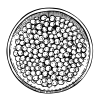
Richness and brininess are useful starting notes, not guarantees. Egg size, color and salt level vary with species, maturity, handling and cure; pearls may range from gray-brown to olive or amber. Compare producer, species, origin, net weight and grade terms, keeping in mind that grades are not universal. Taste it chilled on its own before pairing with mild blinis or vodka, and use our caviar grading guide to understand how seller grades are described.
Russian Sturgeon Versus Russian Production
Russian sturgeon, Acipenser gueldenstaedtii, is a species commonly associated with Osetra caviar. It may be farmed outside Russia, so the species name alone does not establish where the roe was produced. Ask for the country of production and the exact species.
Black Caviar Versus Red Caviar
Black caviar generally refers to sturgeon roe, though its color may range from gray and brown to olive or amber. Red caviar commonly means salmon roe in Russian food contexts. They are distinct products with different egg sizes and tasting qualities; this guide covers sturgeon caviar.
Flavor Profile and Texture of Russian Caviar
Richness and brininess are broad descriptors, not a single national flavor profile. Russian caviar can vary by species, maturity, and curing. Some selections taste rounded and nutty; others give a more pronounced marine impression. Let the specific tin guide expectations.
What the Main Varieties Taste Like
Osetra is often described as rounded and nutty. Beluga is associated with large, delicate pearls and a rich release, while Sevruga commonly has smaller eggs and a pronounced marine impression. These are starting points, not guarantees; selection and cure shape each tin.

Where Russian Caviar Comes From
The Caspian Sea and nearby river systems are central to Russian caviar’s history. Today, caviar production and international sturgeon farming complicate the link between a species and a place. A Caspian reference may describe heritage without proving where a particular tin was produced.
The Place of Russian Caviar in Food History
Caviar became associated with Russian dining, trade, and luxury through a long and changing history. Those connections form one part of a wider story across the Caspian region. Read our history of caviar for more context.
Why Origin Labels Need to Be Specific
For a purchase, check the actual production country, named producer, species, and source. A retailer’s address or the place where a tin was repacked does not establish origin. Clear details make products easier to compare and help explain what a Russian name on the label means.
How Russian Caviar Is Produced
Farmed sturgeon roe is made through managed rearing, maturity assessment, egg separation and cleaning, salt curing, and refrigeration. Methods vary by producer, and each can influence flavor and texture. A country name by itself does not describe how a particular tin was produced.
Malossol and the Role of Salt
Malossol is commonly translated as “little salt” and describes a lightly salted style. It is not a species or a guarantee that all tins have the same salinity. Check the ingredient list and producer’s description if the cure is important to your preference.
What Shapes Russian Caviar Prices
Species, time spent raising the fish, batch selection, packaging, and distribution can all affect price. Compare the same species, net weight, and processing style before judging value. Premium terminology is producer-defined, so use the caviar grading guide as context.
How to Serve and Pair Russian Caviar
Taste a small spoonful chilled on its own before adding accompaniments. Keep the tin nestled over ice and use a clean, non-reactive spoon. This simple first taste makes it easier to notice the pearl’s texture, the salt level, and how its flavor finishes.
Blinis and Russian-Style Service
Mild blinis with a little crème fraîche or sour cream are a familiar pairing. Buttered toast or plain potatoes also work. Serve strong toppings separately so guests can taste the roe first without onion, lemon, or heavy seasoning.
Champagne and Other Drinks
Chilled vodka is a traditional accompaniment; dry Champagne can offer a contrasting pairing. Neither is required for a good tasting. Chilled water is useful when comparing varieties because it adds little competing flavor.

Frequently Asked Questions About Russian Caviar
Russian caviar can refer to an origin, a sturgeon species, or a serving tradition. These answers explain how to tell those meanings apart and what to check before buying.
What fish is Russian caviar made from?
Russian caviar may come from several sturgeon species. Russian sturgeon, Acipenser gueldenstaedtii, is commonly associated with Osetra. Check the exact species listed for the tin.
Does Russian caviar always come from Russia?
No. Russian sturgeon can be raised outside Russia. Species identifies the fish; the country of production describes where the roe was made.
Is Russian caviar farmed or wild?
Black caviar generally means sturgeon roe, while red caviar usually means salmon roe in Russian food contexts. This page focuses on sturgeon caviar.
What color is Russian caviar?
Serve it well chilled and taste it plain first. Then try a mild blini with a little sour cream or crème fraîche. Chilled vodka is a classic drink option.
Why is Russian caviar expensive?
Species, production time, batch selection, packaging, and distribution help shape cost. Compare equivalent products by species and weight rather than relying on a national label or prestige name alone.
What should I check before buying Russian caviar?
Check the species, production country, producer, ingredients, date information, and cold handling. For an international order, verify the rules that apply to the product’s origin, species, and destination.
Explore Russian Caviar Through Its Varieties
Russian caviar’s history gives a tasting cultural context, while species and production details help you choose a tin with confidence. Serve it simply and let the specific roe’s flavor and texture guide your selection.